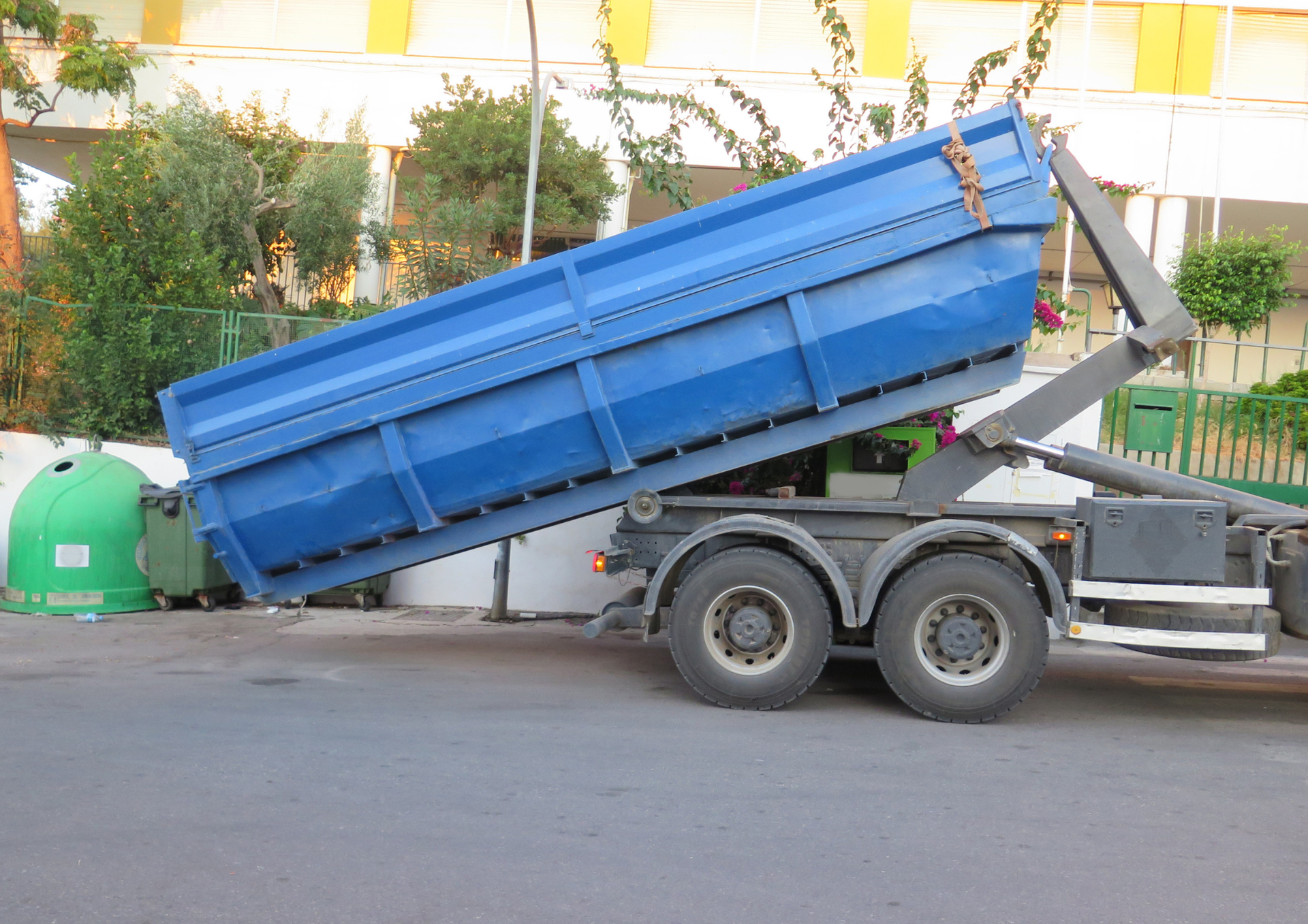

Making Space Before Moving Home with Practical Skip Hire Solutions
Moving home often reveals just how many belongings have accumulated over the years. Cupboards, lofts, garages, sheds and spare rooms can gradually become storage areas for furniture, boxes, damaged household items and materials that are no longer needed. Sorting everything before moving day can make packing considerably easier and reduce the amount that needs to be transported to the new property.
Using skip hire during this process provides a practical way to manage unwanted materials as the clearance progresses. Instead of allowing bags, broken items and renovation waste to build up around the property, a suitable container provides one organised place for appropriate waste. This can be particularly useful when preparing a property for sale, clearing a rented home between tenancies or organising a larger residential relocation.
Planning a Thorough Clear-Out Before Moving Day
A successful pre-move clearance is easier when it is approached systematically rather than trying to sort an entire property in one weekend. Dividing the work into manageable categories allows you to decide what should move with you, what can be reused or donated, and what genuinely needs disposing of. Arranging skip hire as part of the process can provide a convenient way to manage suitable unwanted materials while keeping the property organised throughout the clearance.
Start with Storage Areas
- Lofts, garages, sheds and cupboards are sensible places to begin because they frequently contain belongings that have not been used for years.
- Open boxes rather than automatically transferring them to the new property. Their contents may no longer be useful or relevant.
- Allow additional time for areas containing large quantities of stored possessions, as sorting usually takes longer than expected.
- Clearly separate items being kept from those being removed so nothing useful is accidentally discarded.
Work Through Individual Rooms
- Moving room by room makes a large clearance feel considerably more manageable.
- Kitchens can contain outdated utensils, damaged cookware and unused household items that do not need to make the journey.
- Bedrooms and spare rooms may contain old furniture, damaged storage units and accumulated belongings.
- Utility areas often contain materials left behind from decorating, repairs or previous household projects.
Decide What Can Be Reused
- Items in reasonable condition may be suitable for donation, resale or reuse rather than disposal.
- Furniture, household accessories and working equipment should be assessed individually before being discarded.
- Separating reusable belongings early prevents them from becoming mixed with general clearance waste.
- Important documents and personal possessions should be placed safely away from the clearance area.
Arrange Waste Removal Early
- Consider the expected amount of unwanted material before choosing a disposal solution.
- Customers searching for skip hire near me may benefit from arranging their container before the main clearance begins, particularly when working towards a fixed moving date.
- Check that there is an appropriate location for delivery and sufficient access for the vehicle.
- Allow enough time for sorting, loading and collection rather than leaving everything until immediately before moving day.
A planned approach can transform what initially seems like an overwhelming task into a series of manageable stages. It also helps ensure that the belongings arriving at the new home are genuinely wanted rather than simply being moved because there was insufficient time to sort them.
Choosing an Appropriate Waste Solution for Your Move
The amount of waste generated before moving varies considerably between properties. Someone leaving a small flat after a short tenancy may have relatively little to remove, while a family clearing a property occupied for decades could uncover substantial quantities of unwanted furniture, household materials and stored possessions.
Estimating the volume before booking is therefore worthwhile. Look through the entire property, including areas that are easily forgotten. A nearly empty living room does not necessarily mean the clearance will be small if the garage, loft and garden shed are still full. Creating a rough inventory provides a better indication of the capacity required.
For smaller clearances, mini skip hire can provide an appropriate option where the amount being removed is limited. It can be useful when decluttering a compact property, clearing selected rooms or disposing of appropriate waste from minor work completed before the move. The important consideration is whether the available capacity realistically matches the project.
Larger house clearances may require more substantial containers. Furniture dismantling, old flooring, damaged fittings and materials from pre-sale improvements can occupy considerable space. Selecting too little capacity may mean arranging additional collections, while choosing significantly more than required may not represent the most practical use of the available space.
Customers should also consider what they intend to place inside before booking. Not every material can automatically be placed into a general container, and different waste categories can have specific handling requirements. Asking the provider about questionable items beforehand is easier than discovering during the clearance that something needs an alternative disposal route.
Placement matters as well. A driveway or other suitable private area can often provide convenient access, but not every property has sufficient space. Where placement on a public highway is being considered, local requirements may apply. These arrangements should be investigated before the planned delivery date so that the clearance is not interrupted.
For properties in Ely, the combination of historic streets, residential neighbourhoods and different property layouts means access should be considered carefully. The same principle applies elsewhere: understanding the site before booking makes delivery, loading and collection easier.
Keeping the Clearance Organised and Efficient
Once the clearance begins, maintaining an organised system helps prevent unwanted belongings from becoming mixed with possessions that are moving to the new home. Clear categories also make packing easier and help everyone involved understand where particular items should go.
Create Separate Sorting Areas
- Establish clear areas for possessions being kept, donated, sold, recycled and discarded.
- Use labels on boxes and containers so decisions remain clear throughout the project.
- Keep moving boxes away from waste awaiting removal.
- Store important documents, keys and valuables separately before substantial clearing begins.
Load Waste Carefully
- Break down appropriate bulky items where practical to use the available capacity efficiently.
- Avoid simply throwing everything into the container without considering how much space is being used.
- Keep waste within the permitted fill level and follow the provider's guidance regarding loading.
- Do not place uncertain materials inside until confirming that they are accepted.
Consider Project Costs
- Comparing skip hire prices should involve more than looking at the headline figure. Container size, hire period, waste type, delivery arrangements and collection requirements can all influence what represents reasonable value.
- Ask what is included within a quotation before confirming a booking.
- Choosing an appropriate capacity from the outset can help avoid unnecessary additional arrangements.
- Consider convenience and reliability alongside the initial amount quoted.
Coordinate with Your Moving Schedule
- Arrange the main clearance early enough to avoid competing with removal teams, cleaners or final property appointments.
- Aim to finish substantial waste removal before the majority of moving boxes are loaded.
- If decorating or minor repairs are planned, allow time to clear the resulting materials afterwards.
- Confirm collection arrangements so the property can be left tidy before completion, handover or the end of a tenancy.
Organisation becomes increasingly important as moving day approaches. A simple system established early can prevent rushed decisions later and helps create a clearer distinction between possessions worth transporting and materials that genuinely need removing.
Preparing the Property for Handover or Its Next Occupants
Clearing unwanted belongings is only one part of preparing a property before leaving. Once larger quantities of waste have been removed, it becomes much easier to see what additional cleaning, maintenance or minor work may be required.
Homeowners preparing to sell may want rooms, storage spaces and outdoor areas to appear uncluttered and accessible. An empty garage or loft is easier for new occupants to assess than one filled with items that were never intended to remain. Clearing unnecessary belongings can also make final cleaning considerably easier because floors, corners and surfaces become accessible.
Landlords have slightly different priorities when preparing accommodation between occupants. Items left behind may need sorting before cleaning or maintenance can begin. Removing unwanted materials promptly allows contractors and cleaners to work more efficiently and helps the property progress towards being ready for its next use.
Surveyors and property professionals may also benefit from clearer access when inspections are required. Excessive stored materials can make some areas difficult to examine, particularly garages, outbuildings and storage rooms. Creating space can therefore support the wider property preparation process rather than simply making the move easier.
For larger residential or commercial properties, skip bin hire can form part of a structured clearance programme where waste is generated across several rooms or working areas. Planning the disposal stage alongside packing, maintenance and cleaning can prevent one activity from interfering with another.
Outdoor areas deserve attention too. Garden furniture, damaged planters, dismantled sheds and materials left from previous landscaping work can easily be forgotten while attention is focused indoors. Reviewing gardens, yards and outbuildings before the final week provides enough time to deal with these areas properly.
The final objective should be to leave the property in an orderly condition appropriate to the circumstances. A homeowner may be preparing for completion, a tenant may be approaching the end of an agreement, and a business may be handing premises back or preparing them for another occupant. Whatever the situation, removing unnecessary materials early reduces pressure during the final stages.
Skip Hire Ely provides practical waste removal solutions for residential and commercial customers throughout Ely and the surrounding area. We understand that moving, clearing or preparing a property can involve several tasks happening at the same time, which is why straightforward communication and dependable arrangements are important.
Our approach focuses on helping customers select an appropriate solution for the amount of waste they expect to produce. Whether you are clearing individual rooms, emptying storage areas, preparing a rental property or managing a larger relocation, our skip bin hire service provides a practical option, with guidance available to help you choose suitable arrangements for your project.
We also recognise that access, timing and collection requirements can differ considerably between properties. By considering these details before delivery, our skip hire service aims to make waste removal as organised and straightforward as possible, from the initial booking through to final collection.
Check out our latest X update on making space before moving home with practical
skip hire solutions!
You might also like