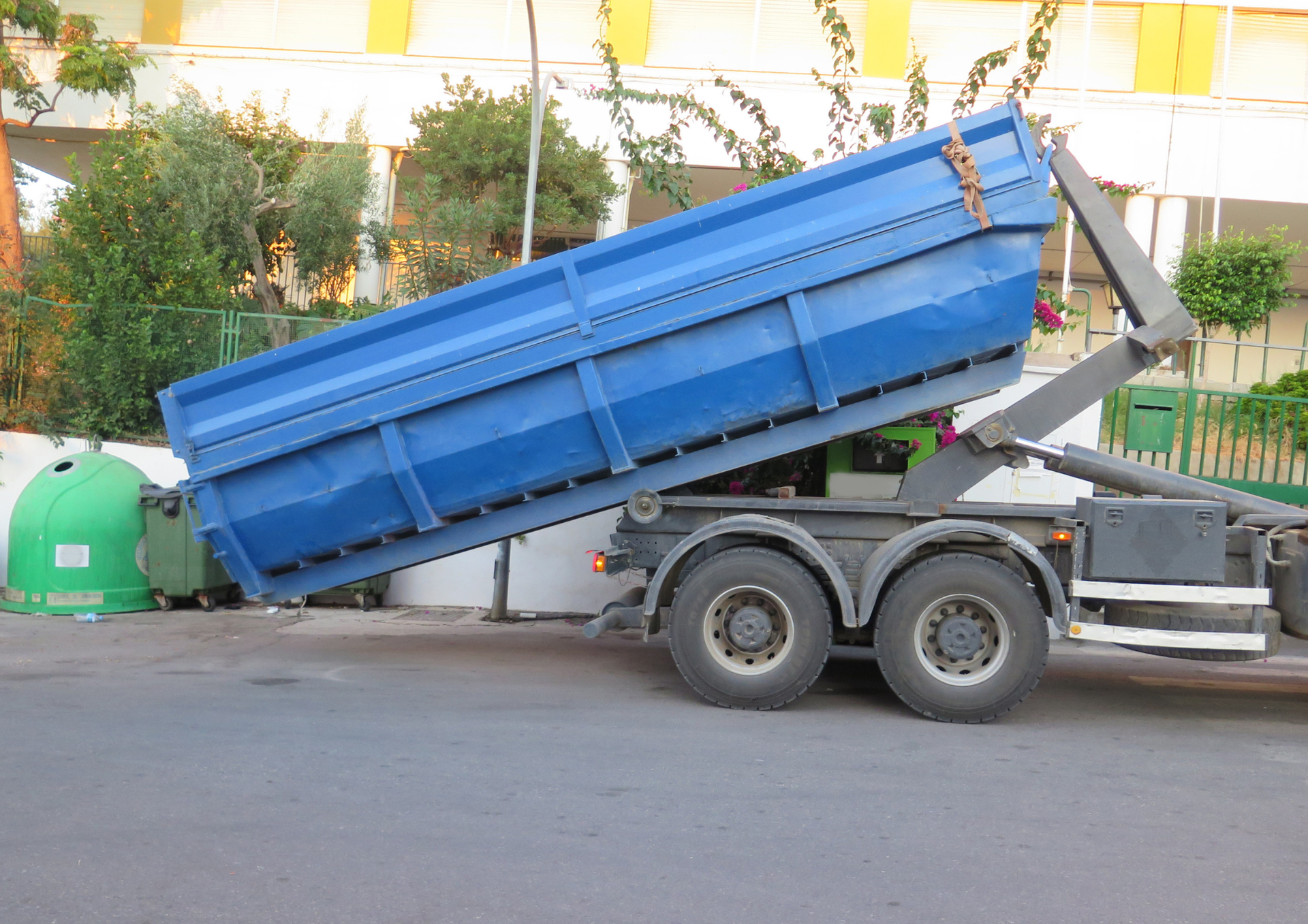

Why Same Day Skip Hire Makes Urgent Home Waste Removal Much Easier
Unexpected waste can quickly become a problem during home improvements, property clearances and urgent maintenance work. Whether a renovation produces more debris than expected or a landlord needs to prepare a property for new occupants, finding a practical waste disposal solution is essential. Accumulated rubbish can restrict access, interrupt work and make otherwise straightforward projects more difficult to manage.
Arranging same day skip hire can provide a convenient solution when waste needs to be contained without unnecessary delays. Rather than allowing unwanted materials to occupy gardens, driveways or working areas, homeowners and property managers can arrange suitable equipment to support a more organised approach to waste removal.
Urgent waste disposal requirements can arise for many reasons. A kitchen refurbishment might uncover damaged materials that require removal, while an unexpected household clearance could involve furniture, packaging and general rubbish. Garden improvements can also generate considerable quantities of branches, soil and other unwanted materials within a relatively short period.
For homeowners, landlords, surveyors, local authorities and those responsible for residential or commercial properties, efficient waste management supports better planning and reduces disruption. Understanding the different situations where prompt delivery is beneficial makes it easier to choose suitable arrangements.
Although individual circumstances differ, the same principles apply wherever a project takes place. Choosing an appropriate size, checking accessibility, understanding acceptable waste materials and confirming collection arrangements all contribute to a more efficient experience.
Understanding When Urgent Skip Delivery Is Most Useful
Unexpected waste can arise during both planned and unplanned property work. Identifying the situations where immediate disposal capacity would be helpful allows customers to make practical decisions without unnecessarily interrupting their projects.
Household Clearances and Decluttering
- Moving house, clearing lofts and reorganising garages can uncover large quantities of unwanted belongings.
- Furniture, household rubbish and general clutter may occupy valuable space during the clearance process.
- Having a suitable container available helps separate unwanted materials from items being retained.
- Planning the removal process carefully makes it easier to keep entrances, pathways and working areas accessible.
Home Renovations and Repairs
- Kitchen and bathroom refurbishments often generate damaged fittings, packaging, tiles and other renovation debris.
- Removing old flooring, cupboards and internal fixtures can create substantial waste within a short period.
- Unexpected repair work may require prompt disposal arrangements to prevent materials accumulating around the property.
- Keeping renovation areas organised supports safer movement and more efficient working conditions.
Garden and Outdoor Improvements
- Hedge cutting, pruning and general landscaping can produce bulky green waste that is difficult to store.
- Fence replacements, patio improvements and shed clearances often involve several different waste materials.
- Arranging suitable disposal capacity allows outdoor projects to continue without excessive clutter.
- Separating recyclable garden materials from other waste can support more responsible handling.
Landlord and Property Management Requirements
- End-of-tenancy clearances may involve unwanted furniture, damaged fittings and general household rubbish.
- Property managers often work within limited periods between occupancies.
- Organised waste removal helps prepare rooms, gardens and communal areas for cleaning or maintenance.
- Surveyors and local authorities may also require practical disposal arrangements when coordinating property improvement work.
Arranging Delivery at Short Notice
- Customers should confirm availability before making assumptions about delivery times.
- Providing the property address, required capacity and waste description helps the provider assess the booking.
- Those who need to order a skip urgently should also explain any access restrictions or specific placement requirements.
- Clear booking information reduces the likelihood of unsuitable equipment arriving or additional arrangements being required.
Understanding these situations allows customers to prepare more effectively, even when work begins unexpectedly. Prompt waste disposal is most useful when it forms part of an organised plan rather than becoming another source of disruption.
How Reliable Waste Removal Supports Urgent Home Projects
Urgent property work can become challenging when unwanted materials begin occupying the areas needed for ongoing tasks. A straightforward renovation may involve several tradespeople, deliveries and stages of work, each requiring sufficient space. When waste is left unmanaged, movement becomes more difficult and progress can slow considerably.
Reliable disposal arrangements help address these problems by providing a designated location for unwanted materials. Instead of repeatedly moving rubbish around the property, customers can place suitable waste into a container positioned conveniently for the project. This approach reduces unnecessary handling and helps maintain a more orderly environment.
For homeowners, convenience is particularly important during unexpected repairs. A damaged kitchen fitting, deteriorating flooring or urgent garden clearance may require attention before other household activities can return to normal. Having a suitable disposal solution available allows work to proceed without waiting for rubbish to accumulate.
Landlords face similar challenges when preparing properties for new occupants. A clearance may need to take place before decorators, cleaners or maintenance contractors can begin. Coordinating waste removal alongside these activities helps reduce interruptions and allows each stage of the work to proceed in a more logical order.
Commercial properties can also benefit from efficient planning. Office refurbishments, retail improvements and small building projects frequently produce packaging, damaged fixtures and general renovation waste. Removing these materials appropriately helps maintain access and supports a more professional working environment.
When searching for same day skip hire, customers should consider more than the possibility of rapid delivery. The provider should also explain available capacities, acceptable materials, placement requirements and collection procedures. A prompt service is most useful when these practical details are addressed before the booking is confirmed.
Communication is especially valuable when several people are involved in a project. Property owners, contractors, surveyors and maintenance teams may have different responsibilities, making it important to establish who will arrange delivery, supervise placement and request collection.
Customers should also consider the difference between delivery and collection availability. A container may be available quickly, but the collection schedule could depend on vehicle routes, working hours and existing bookings. Confirming these arrangements early helps prevent misunderstandings.
Another important consideration is the hire period. Some urgent projects require a container for only a short time, while others may continue for several days. Choosing an appropriate duration helps avoid unnecessary pressure to complete work before the equipment is collected.
Waste restrictions should never be overlooked. Certain materials, including asbestos, chemicals, batteries and some electrical items, may require specialist handling rather than ordinary skip disposal. Customers should confirm permitted materials before loading begins.
Ultimately, reliable waste removal supports more than a tidy appearance. It helps people organise their time, coordinate different activities and maintain better control over projects that may already involve unexpected challenges.
Choosing the Right Skip Size and Preparing for Delivery
Selecting an appropriate container is an essential part of organising urgent waste removal. The correct capacity depends on the type of project, the expected volume of materials and the space available for delivery. Taking a few minutes to assess these factors can prevent avoidable complications later.
Small Household Clearances
- Compact containers are often suitable for minor decorating projects, garage clearances and smaller amounts of household rubbish.
- A 2-yard skip may be appropriate for limited quantities of waste, depending on the materials involved.
- Customers should estimate the amount of rubbish before booking rather than relying only on the number of rooms being cleared.
- Smaller containers can be useful where available space is restricted.
Medium-Sized Renovation Projects
- Kitchen replacements, bathroom improvements and larger household clearances often require additional capacity.
- Four-yard and six-yard containers may suit projects involving moderate quantities of mixed waste.
- Heavy materials should be discussed with the provider because weight restrictions can affect the most suitable size.
- Choosing adequate capacity helps reduce the likelihood of needing another container before work is completed.
Larger Residential and Commercial Work
- Extensive refurbishments, office clearances and larger property improvements may generate substantial volumes of waste.
- Eight-yard containers and other larger options can accommodate suitable materials where site conditions permit.
- Customers should consider both waste volume and weight rather than assuming the largest available container is always appropriate.
- Projects involving continuous waste production may benefit from planned exchanges or separate collection arrangements.
Access and Placement Requirements
- Driveways, private parking areas and suitable hardstanding can provide convenient locations for delivery.
- The delivery vehicle needs sufficient room to approach, position and retrieve the container.
- Overhead cables, low branches, parked vehicles and narrow entrances may restrict access.
- Placement on a public highway generally requires permission from the relevant highway authority, usually arranged through the provider.
- Customers should confirm whether any additional charges or advance arrangements apply.
Loading and Waste Separation
- Waste should be distributed carefully rather than concentrated excessively at one end.
- Containers must not be loaded beyond their permitted fill level.
- Materials requiring specialist disposal should be identified before collection.
- Keeping different waste types separate where practical may simplify handling and recycling.
Comparing Available Container Options
- Customers considering skip bin hire should assess the actual dimensions and permitted loading capacity rather than relying solely on size descriptions.
- Delivery accessibility should be checked alongside the volume of waste expected.
- Clear guidance from the provider can help prevent unsuitable bookings.
- Confirming collection procedures in advance supports better planning throughout the project.
Good preparation remains important even when delivery is needed urgently. An accurate description of the waste, a suitable placement area and realistic expectations about capacity all contribute to a smoother experience.
Planning Responsible Waste Removal from Start to Finish
Managing waste effectively involves more than arranging a container and filling it with unwanted materials. A successful process begins with understanding what needs to be removed, how it should be handled and when collection will be required.
Before starting a clearance or renovation, customers should identify the main waste categories likely to arise. Household rubbish, garden materials, timber, rubble and renovation debris can have different disposal requirements. Discussing these materials with the provider helps determine whether they can be accepted together or require separate arrangements.
Responsible waste handling is particularly important for projects involving older properties. Refurbishment work may uncover materials that need specialist assessment or disposal. Rather than placing unfamiliar substances into a container, customers should seek appropriate guidance to avoid unsafe handling.
Organising the work area also improves efficiency. Establishing a clear route between the property and the container reduces unnecessary movement and makes loading more manageable. Where several people are working, agreeing on designated storage and disposal areas can help prevent confusion.
For projects involving local skip hire, choosing a provider familiar with the surrounding area may simplify delivery planning. Knowledge of residential streets, commercial premises and common access restrictions can be useful when arranging vehicle movements and identifying suitable placement locations.
In Ely, customers may need to consider the differences between established residential streets, newer housing developments and properties in surrounding villages. Access conditions can vary considerably, making accurate information particularly valuable when booking at short notice.
The timing of collection deserves equal attention. Removing a container too early may leave customers without sufficient disposal capacity, while keeping it longer than necessary could occupy valuable space. Discussing the likely project duration helps establish a suitable arrangement.
Where work involves multiple stages, customers may find it helpful to plan disposal around the expected sequence of activities. For example, removing old kitchen units before new fittings arrive can create additional space and make subsequent installation work easier.
Environmental considerations should also form part of the planning process. Materials suitable for reuse or recycling can sometimes be separated before disposal. Usable furniture, fixtures and other household items may be suitable for donation or alternative reuse arrangements, depending on their condition.
Customers should also confirm the provider's approach to waste handling and the documentation available where relevant. For business waste, checking that the waste carrier is appropriately registered and that required transfer records are provided helps support compliance with applicable responsibilities.
A dependable service should provide clear information about permitted materials, collection procedures and any circumstances that might result in additional charges. Transparent communication allows customers to make informed decisions and reduces the likelihood of unexpected complications.
Careful preparation is particularly useful for landlords, surveyors and local authorities coordinating work across several properties. Consistent procedures for estimating waste, confirming access and scheduling collections can make repeated maintenance activities easier to manage.
Even when waste removal is urgent, a few straightforward checks can make the process significantly more efficient. Understanding the requirements before delivery helps customers avoid unnecessary delays and maintain better control over their projects.
Urgent household waste removal can be considerably easier when customers understand their requirements and make suitable arrangements from the outset. Whether clearing unwanted belongings, completing a renovation or preparing a property for new occupants, effective waste management helps maintain organised working areas and supports smoother project delivery.
The most appropriate solution depends on several practical considerations, including the volume of waste, the materials involved, site accessibility and the expected duration of the work. Choosing suitable equipment and communicating clearly with the provider can reduce avoidable complications, particularly when projects begin unexpectedly.
Homeowners benefit from convenient disposal arrangements that allow improvements to continue with less disruption. Landlords and property managers can coordinate clearances more effectively, while surveyors, local authorities and commercial customers can incorporate waste removal into broader maintenance and refurbishment programmes.
Responsible disposal should remain a priority regardless of how urgently the work needs to be completed. Understanding material restrictions, considering recycling opportunities and arranging appropriate collection procedures all contribute to better outcomes.
By approaching waste removal with clear expectations and practical planning, customers can maintain cleaner spaces, improve accessibility and concentrate on completing the work. A dependable provider, suitable equipment and organised collection arrangements help turn a potentially difficult task into a manageable part of the project.
Skip Hire Ely provides practical waste management solutions for homeowners, landlords, surveyors, local authorities and those responsible for residential and commercial properties throughout the area. We understand that property improvements and clearances can create unexpected disposal requirements, particularly when projects involve tight schedules or changing circumstances.
Our approach focuses on straightforward communication, suitable container options and organised delivery and collection arrangements. Whether customers are clearing household belongings, renovating a property or coordinating commercial improvements, we aim to provide guidance that helps them choose an appropriate solution.
For projects requiring same day skip hire, we encourage customers to contact us with their waste requirements, preferred delivery location and expected timescale so availability and suitable arrangements can be discussed.
We recognise that every property presents different challenges. Access restrictions, waste volumes and project duration can all influence the most practical approach, which is why clear information is important before confirming a booking.
Our focus is on helping customers make informed decisions without unnecessary complexity. By combining practical guidance, local knowledge and responsible waste management considerations, we aim to make the process easier to understand and manage.
Whether the work involves a small domestic clearance or a larger property improvement, our website provides a straightforward starting point for discussing requirements and arranging a suitable waste disposal solution.
Check out our latest X update on how
same day skip hire
makes urgent home waste removal easier, helping homeowners manage unexpected clearances and keep projects on track!
You might also like