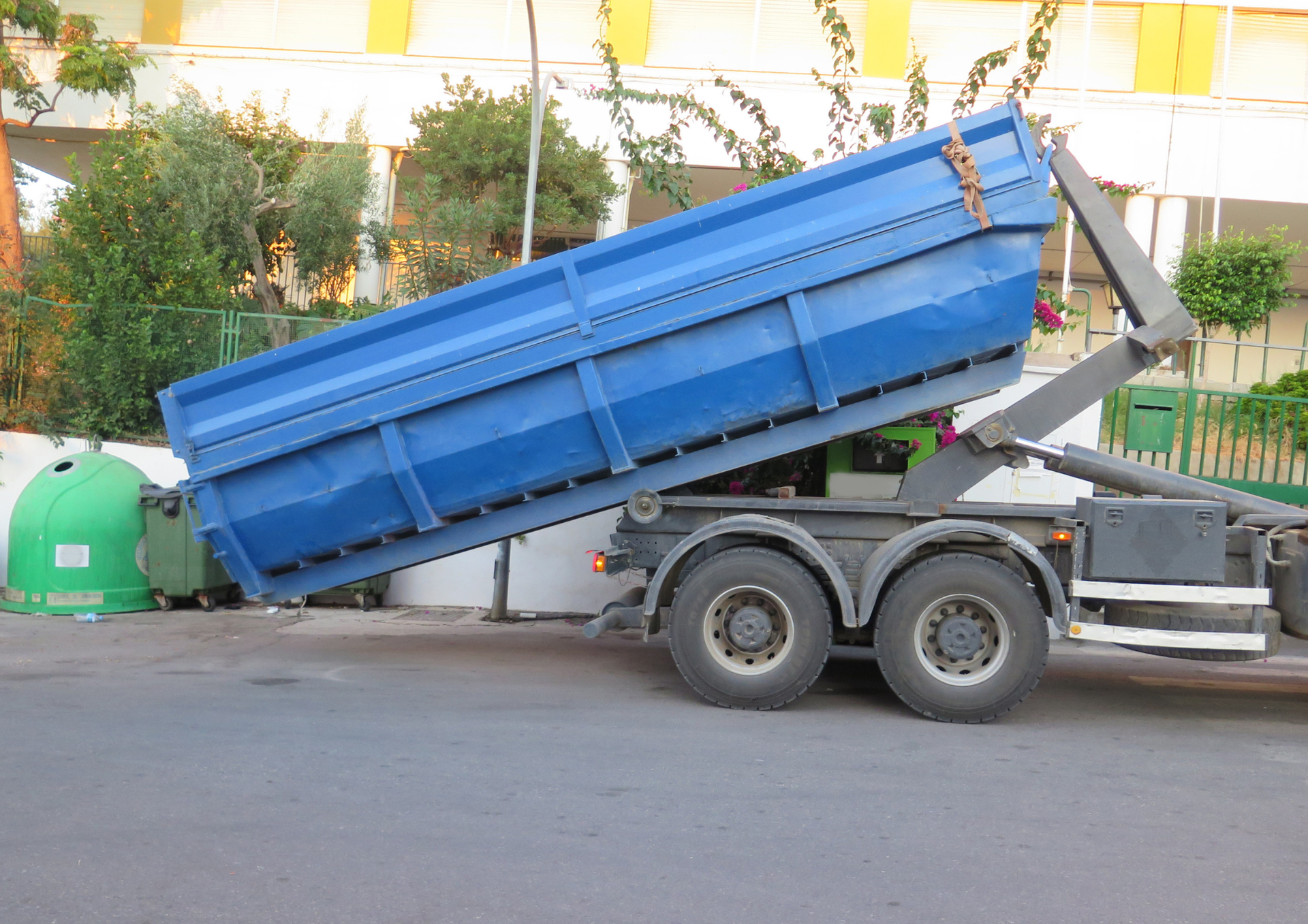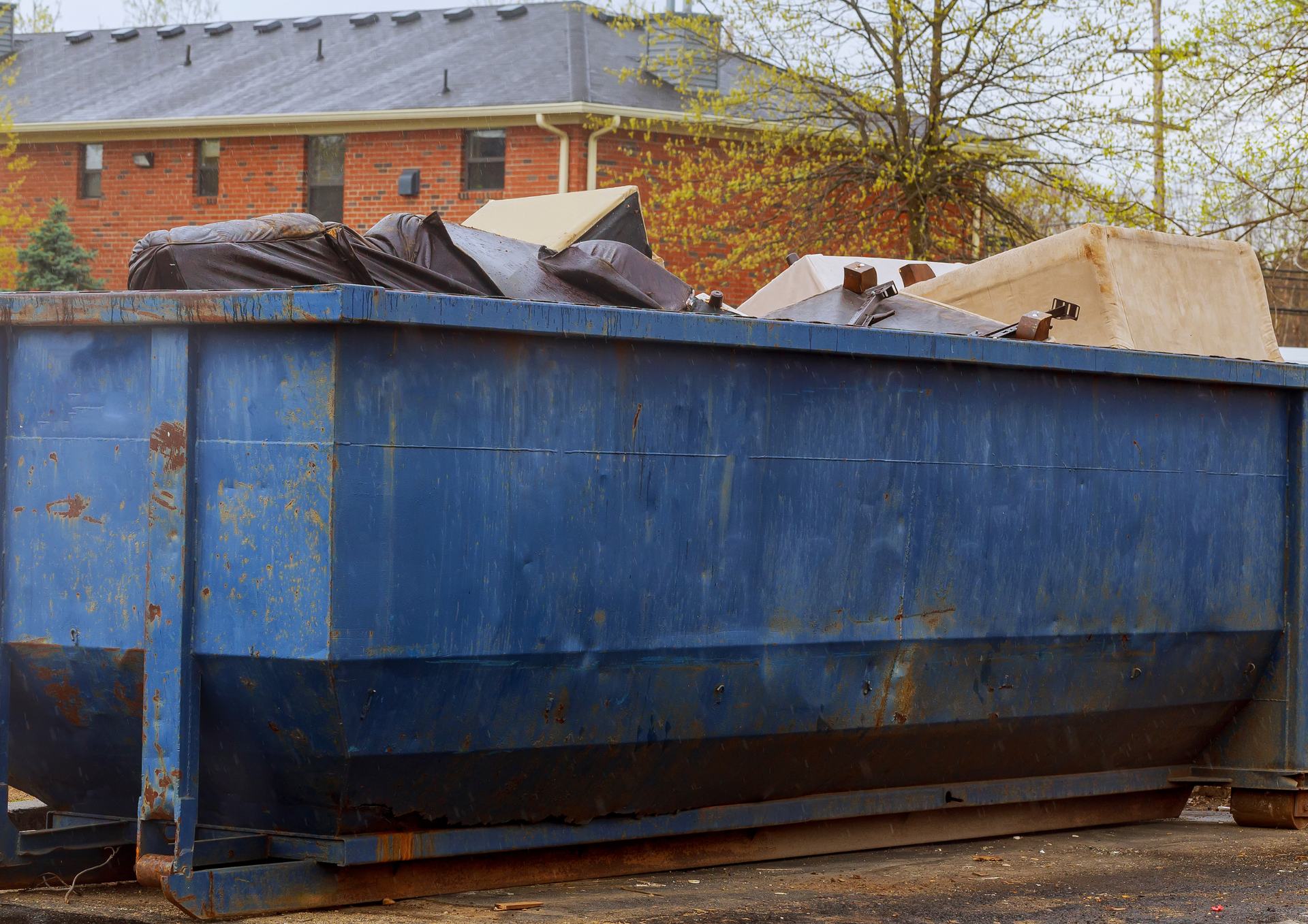

Heavy Duty Skips for Soil and Rubble Removal Across Projects
Managing large volumes of soil, rubble, bricks, concrete, and construction debris can quickly become challenging without proper waste handling arrangements. Renovation work, landscaping projects, property clearances, groundwork preparation, and structural alterations often generate heavy materials that require organised removal throughout the project.
Professional skip hire solutions help maintain cleaner and more efficient working environments across residential homes, commercial properties, public buildings, and outdoor development projects.
Managing Soil and Rubble Waste During Property Projects
Soil and rubble are among the heaviest waste materials commonly produced during construction, landscaping, and renovation work. Garden excavations, patio replacements, drainage installations, and demolition projects often generate large quantities of bricks, concrete, hardcore, and excess soil that require organised removal throughout the project.
Unlike lighter household waste, these dense materials require stronger containment solutions capable of handling heavier loads safely during transportation and collection. Many residential and commercial projects can quickly produce more waste than initially expected, particularly when older structures or underground materials are uncovered during work.
Professional skip hire services help maintain cleaner and more organised working environments while reducing disruption around access routes and surrounding areas. Secure waste storage also supports safer site conditions for contractors, occupants, and visitors throughout longer-term construction or landscaping projects.
Choosing Suitable Skip Sizes for Heavy Waste Materials
Choosing the correct skip size can help improve waste management efficiency during construction, landscaping, and renovation projects. Different types of work generate varying amounts of soil, rubble, and hardcore materials, making it important to select a container that matches the scale and duration of the project. Careful planning can help maintain cleaner working areas while reducing unnecessary waste build-up throughout the job.
- A 2 yard skip is often suitable for smaller residential projects such as garden clearances, minor excavation work, or small patio removals where limited quantities of heavy waste are expected.
- A 4 yard skip may provide additional capacity for moderate landscaping projects, driveway work, kitchen renovations, or property improvements involving bricks, paving, soil, or rubble removal.
- A 6 yard skip is commonly used for larger domestic or commercial projects involving demolition work, groundwork preparation, or multi-room refurbishments that generate heavier construction waste over longer periods.
- A 12 yard skip may be considered for substantial site clearances, commercial developments, or public works projects where larger volumes of lighter mixed waste and bulky materials require organised containment.
- Careful consideration of waste type, site access, project duration, and collection frequency can help determine the most practical skip arrangement while supporting cleaner and more organised working environments.
Supporting Residential and Commercial Waste Management
Construction, renovation, and landscaping projects across residential and commercial properties often generate large amounts of heavy waste that require organised handling throughout the work. Homeowners may need waste removal during extensions, garden redesigns, or driveway installations, while landlords, surveyors, and local authorities frequently oversee refurbishment, maintenance, or clearance projects across multiple locations.
Professional skip hire services help maintain cleaner surroundings while reducing disruption around access routes, parking areas, and shared spaces. Commercial developments and public sector projects may involve office refurbishments, infrastructure upgrades, drainage work, or site clearances that generate substantial quantities of rubble, soil, and demolition materials.
Reliable waste management planning supports smoother project coordination by helping contractors maintain safer and more organised working environments throughout different stages of construction, maintenance, and property improvement work.
Maintaining Safer and More Organised Working Environments
Heavy waste materials such as rubble, broken bricks, soil, and hardcore can quickly create operational challenges during construction and renovation projects if not managed properly. Uncontrolled waste build-up may affect access routes, restrict equipment movement, and increase hazards around active work areas.
Organised waste storage helps maintain cleaner and more manageable site conditions for contractors, occupants, and visitors throughout the project. Structured waste containment also supports improved efficiency by allowing materials to be removed systematically rather than accumulating unpredictably around the property.
Weather conditions, longer project durations, and ongoing demolition work can all make waste handling more difficult without proper planning. Reliable waste collection arrangements help maintain organised working environments while reducing disruption and supporting smoother day-to-day project operations.
Skip Hire Ely
provides practical information and dependable support for homeowners, landlords, surveyors, contractors, and commercial clients seeking organised waste management solutions for a wide range of projects. Our website focuses on clear guidance, straightforward information, and professional support tailored to residential and commercial waste removal requirements.
We aim to help customers better understand different waste management options while supporting safer and more organised property projects involving soil, rubble, construction debris, and general site clearance materials. By providing helpful guidance in a professional and reassuring manner, our website supports informed decision-making for projects of varying sizes and requirements across different working environments.
Update on X: How
skips help manage heavy rubble and soil removal.
You might also like